Our Work

Hesat2030 works with donors, governments, and other partners to achieve an increase in the quality and quantity of Official Development Assistance (ODA) for agriculture and food security. Together with our coalition of global and local partners, we are unleashing agriculture's full potential to scale up solutions in nutrition, climate change, women's empowerment, and social inclusion.
We use evidence-based research, innovative technologies and coordinated action to provide donors and policymakers with the resources & tools to make informed and scientifically-based decisions.
Evidence-based research
Hesat2030 country roadmaps: Cambodia, the Democratic Republic of the Congo, Madagascar, and Zambia
Hesat2030 report: Can the agricultural development community ending hunger differently?
Hesat2030 report: Climate resilience and food security
AVANZAR2030: Agricultural productivity in Latin America and the Caribbean
Innovative Technologies
Coordinated Action
Global Initiatives
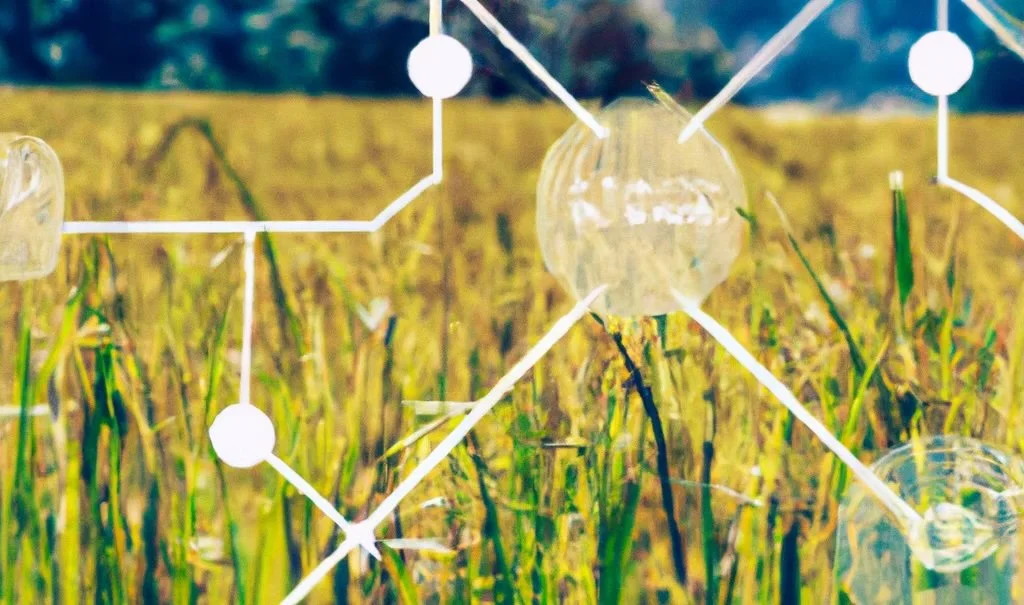
We research and prepare a variety of reports leveraging the latest developments in technology to increase the volume of scientific journals and grey literature used in the evidence synthesis and to improve analysis capabilities. These reports can focus on topics such as climate resilience and nutrition or on specific countries.

We have developed an online platform for donors to track, monitor & analyse official development assistance (ODA) for agriculture and food security. A shared understanding of how much ODA is being spent, where it is being spent, and on what intervention areas will enable better evidence-based decision-making and an improved allocation of scarce public financial resources.
We engage with donors and governments on major initiatives in food security, nutrition, agriculture, gender equality, and climate change, and secure commitments to implement recommendations in policies, programmes and projects.
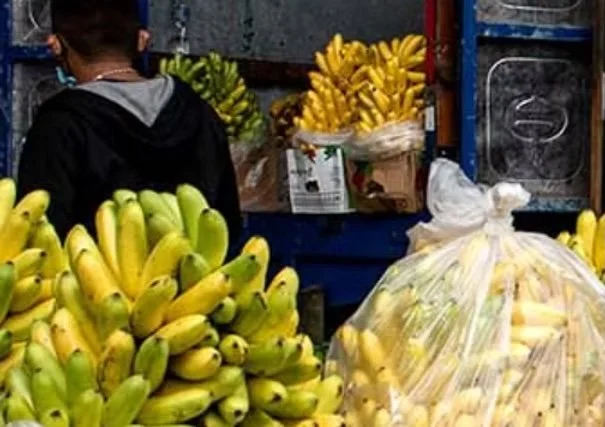
We convene strategic partnerships and engage with key international initiatives to transform food systems to deliver on hunger, poverty, healthy diets, and climate change.