
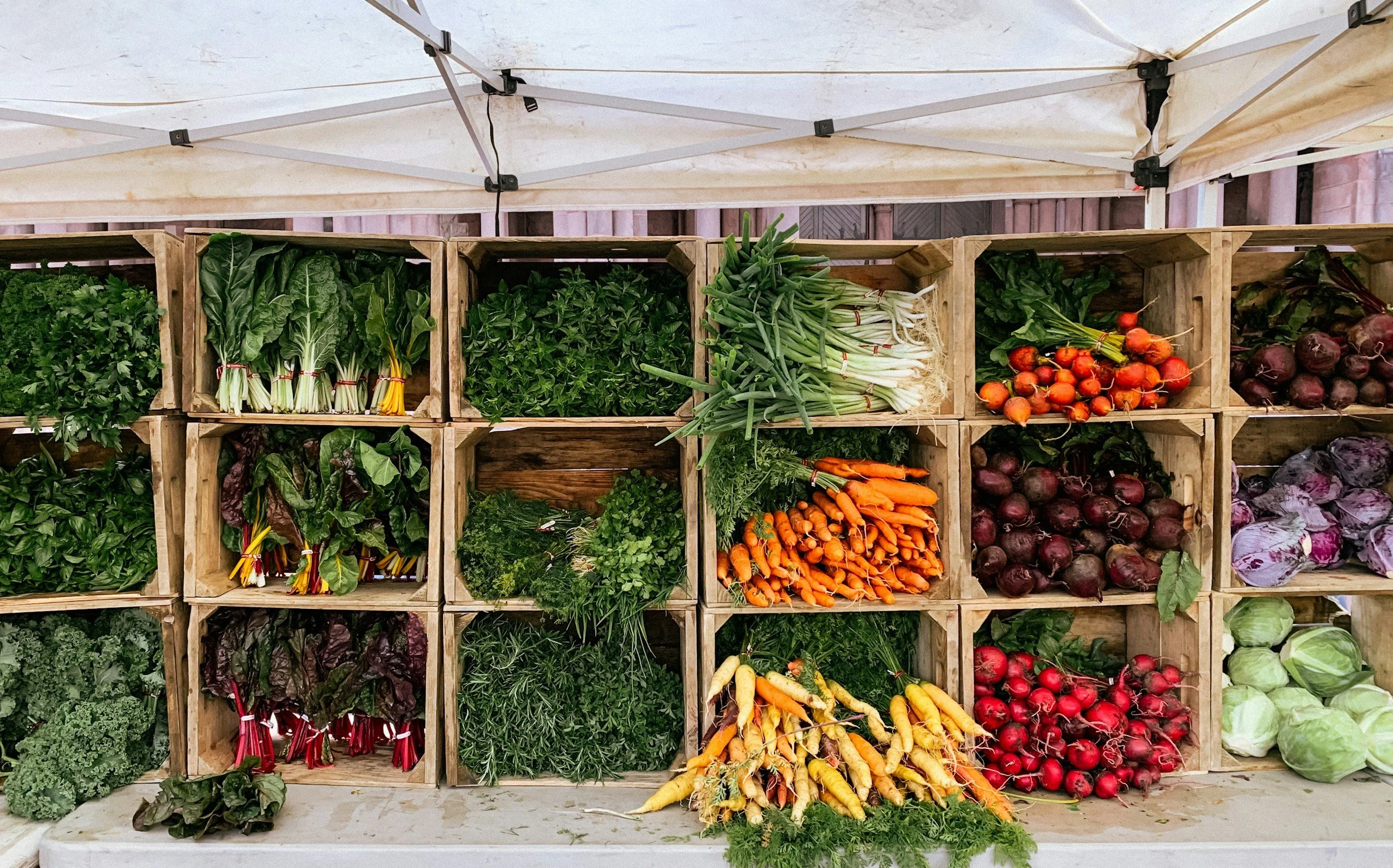
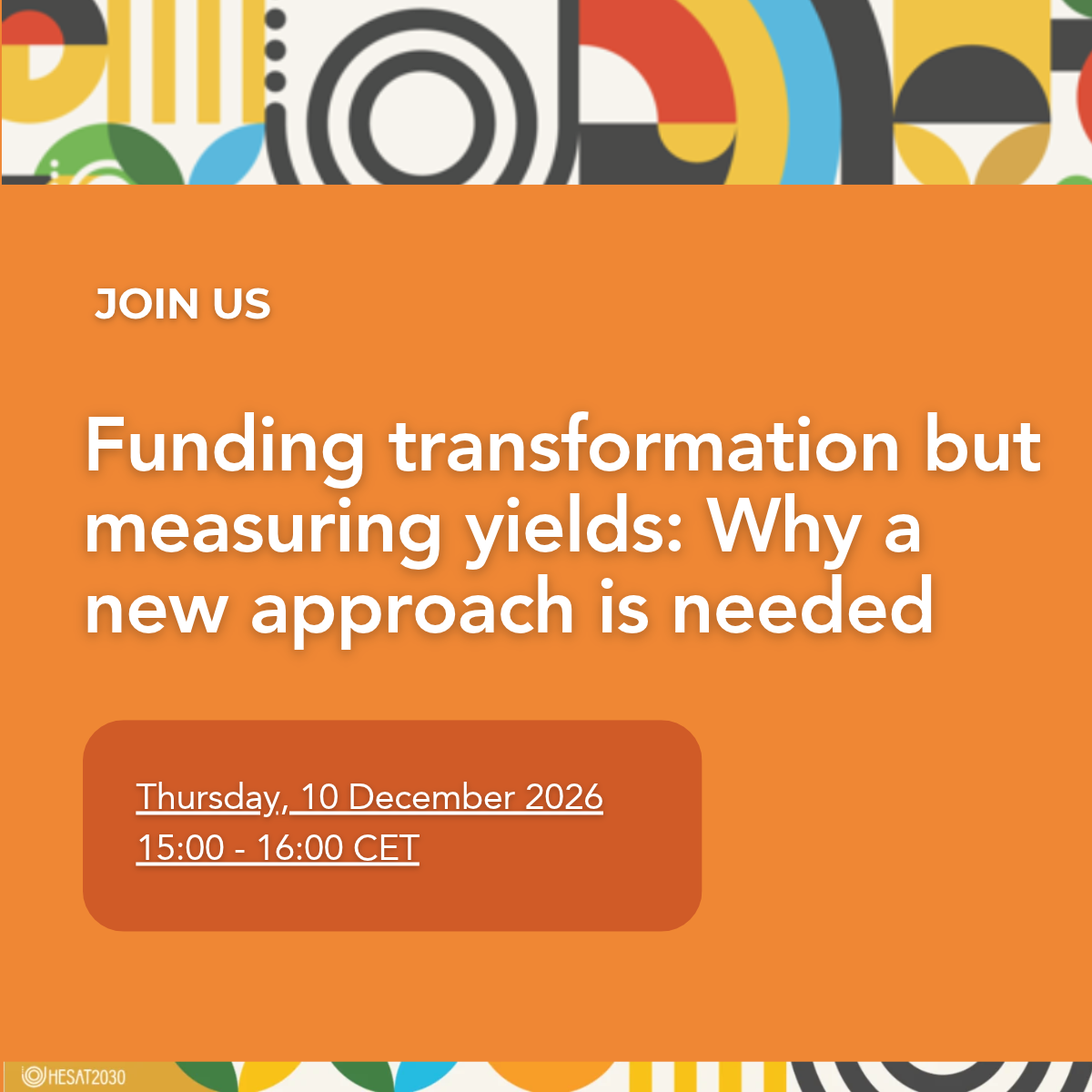
Funding transformation but measuring yields
Thursday, 10 December, online from 15h00 to 16h00 CET
Join us for an upcoming webinar, Funding transformation but measuring yields: Why a new approach is needed. This webinar will discuss the findings from a new Hesat2030 report, Funding transformation but measuring yields, which provides the first of its kind evidence review and mapping of research that targets both climate resilience and food security outcomes. This was achieved by systematically gathering and synthesising the evidence on seven [1] widely discussed agricultural interventions identified by the IPCC’s Special Report on Climate Change and Land as the most common strategies promoted to help smallholder farmers adapt to climate risks while improving food security.
According to the Hesat2030 report, while the evidence base for climate resilience and food security is growing, it remains highly focused on practices that can be measured easily and fit within short project cycles. Research is dominated by practices such as soil conservation and water management, while enabling measures that are more difficult to quantify and require longer time frames, like market access, information services, or post-harvest management are under studied. This creates an imbalance that favours the technical outcome of production rather than the systems that can determine whether those gains contribute to long-term resilience and food security.
This webinar will discuss how our current research priorities may be distorting the way policymakers and investors make decisions. It will discuss why interventions to tackle hunger and respond to climate change must be addressed as a concerted effort, the need to shift our investments from a project logic to a systems logic and how research can better inform policy by tracking both immediate outcomes and longer-term effect.
Ultimately, the webinar will show how building climate-resilient and food-secure agricultural systems in low- and middle-income countries will depend less on discovering new practices and more on better measuring the systemic conditions under which existing ones succeed or fail.
To register: https://us02web.zoom.us/meeting/register/VD1T2ilrSa2gNA8D9wqwrg
Welcome
Setting the Scene: Why food security, nutrition and climate must be addressed as a concerted effort
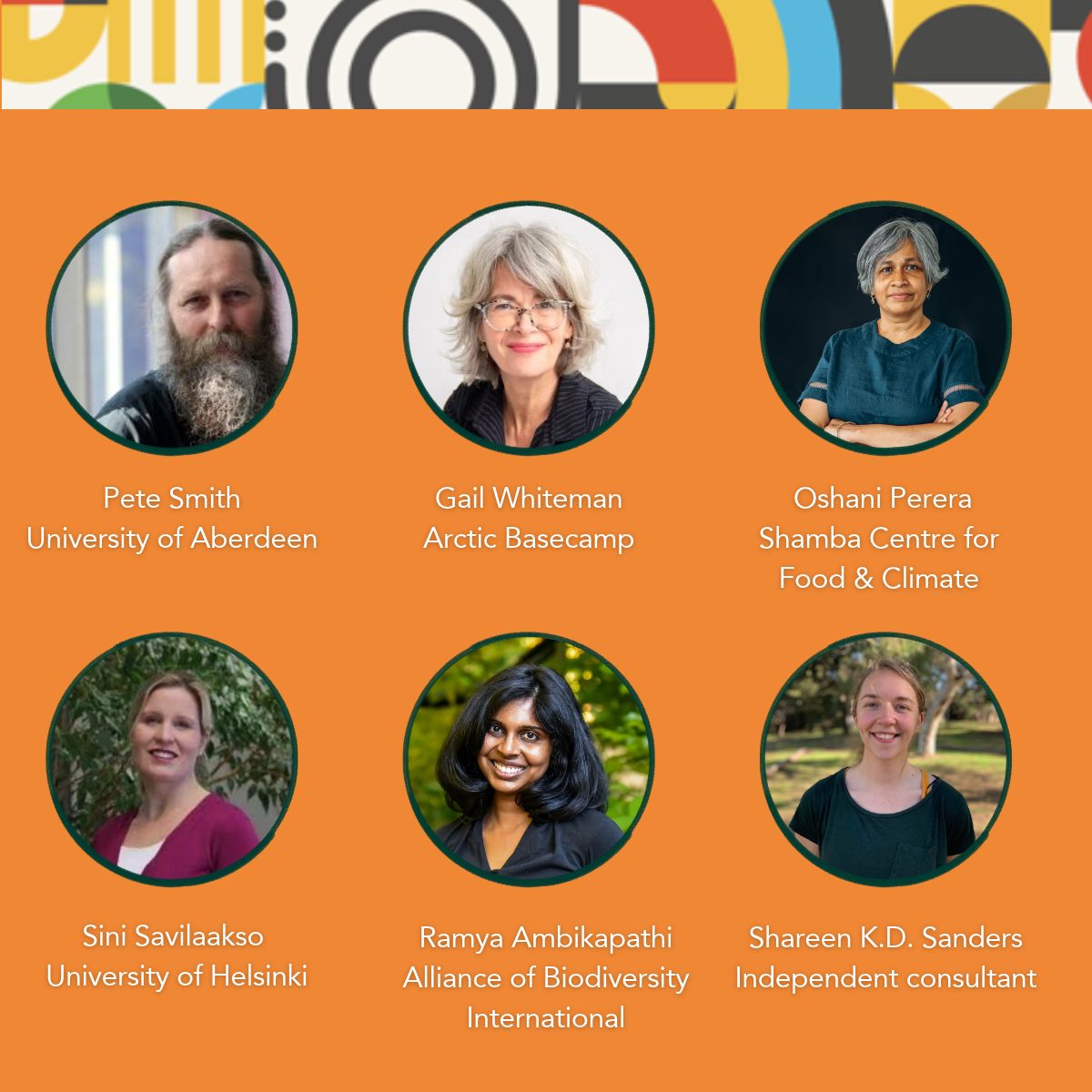
Professor Gail Whiteman, Executive Director, Arctic Basecamp and Professor of Sustainability, University of Exeter Business School
Presentation of the Hesat2030 Climate report, Funding transformation but measuring yields: Results from a review of strategic interventions to enhance climate resilience and food security in agricultural systems in low- and middle-income countries
Shareen K.D. Sanders, lead author of the report and independent consultant
Panel Discussion on report findings with a focus on climate, food security/nutrition and finance
Pete Smith, Professor of Soils & Global Change, University of Aberdeen
Ramya Ambikapathi, Scientist, Alliance of Biodiversity International and CIAT
Oshani Perera, Co-founder and Director of Programmes, Shamba Centre for Food & Climate
Closing remarks by Professor Gail Whiteman
The discussion with be moderated by Sini Savilaakso, co-author of the report and researcher at the University of Helsinki.
Organizers
Hesat2030 together with Arctic Basecamp
To register: https://us02web.zoom.us/meeting/register/VD1T2ilrSa2gNA8D9wqwrg
[1] Soil conservation, Improved water management, Crop diversification, Agroforestry, Climate information and extension services, Improved market access, Post-harvest management and storage