Leveraging trade to transform agriculture and food systems
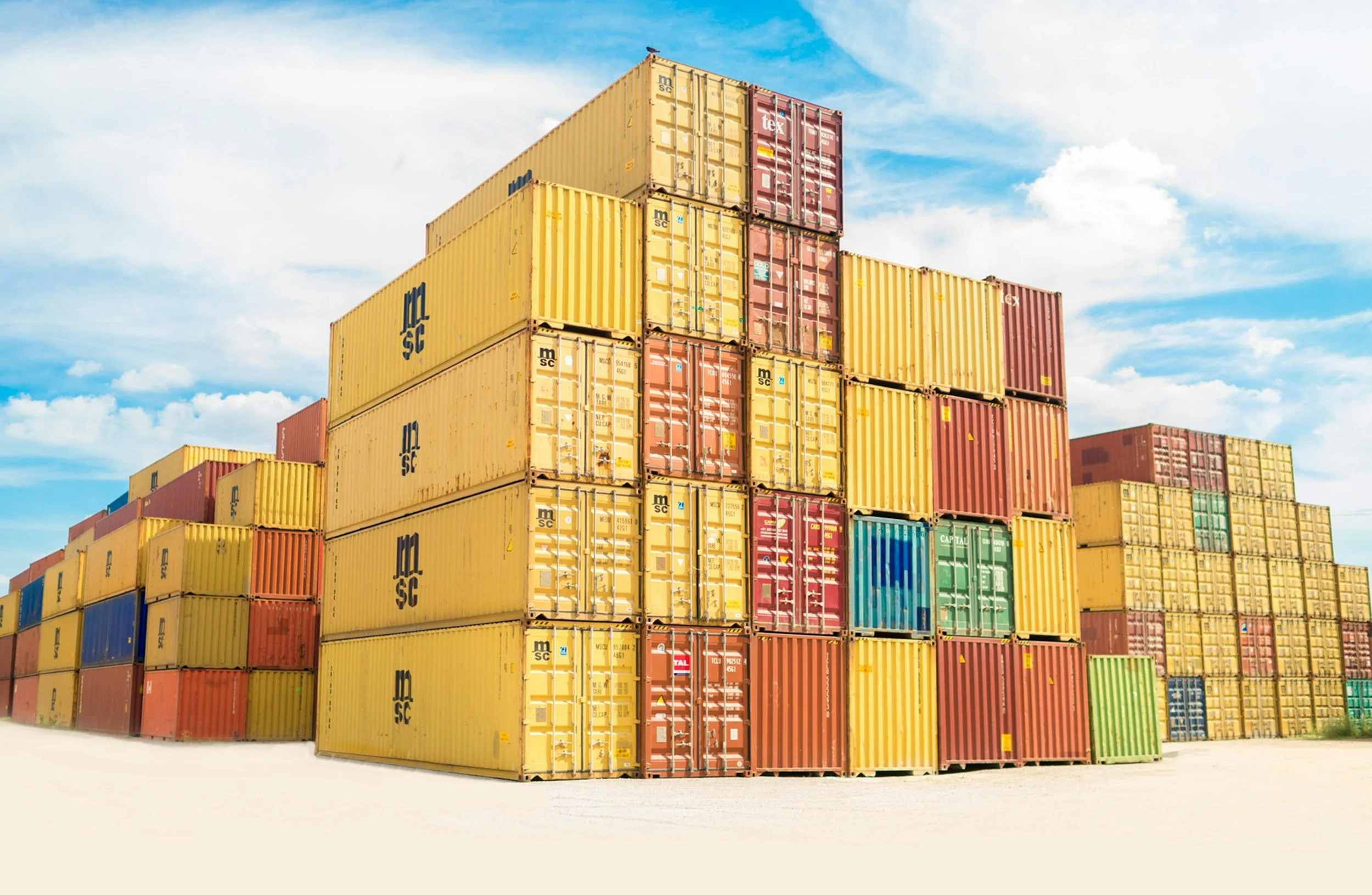
The multilateral trading system is under pressure. A shift towards protectionism, supply chain disruptions caused by extreme weather events and geo-political conflict, and deadlock at the WTO are threatening the current system.
Agriculture and food systems are not immune to the challenges facing the trading system. Trade can exacerbate food price volatility and deepen vulnerability to shocks, especially for countries reliant on food imports or exports. Trade crises destabilise the supply agricultural commodities, driving up food insecurity and exacerbating social and environmental crises.
However, could this challenge offer an opportunity to rethink trade policy and use it to advance a shift towards more sustainable and resilient agriculture and food systems?
A new vision for trade
The Shamba Centre, together with Centre for Competition, Regulation and Economic Development (CCRED) and the Institute for Agriculture and Trade Policy (IATP), is undertaking a new research project that will present recommendations on how trade can contribute meaningfully to the agriculture and food systems in a way that advances food security, nutrition, rural incomes, climate resilience, and biodiversity protection.
The project has adopted a vision for agriculture and food system transformation from the German Federal Ministry for Economic Cooperation and Development (BMZ):
It is now examining how trade can contribute to this vision of transformed agricultural and food system in a three-step process outlined below.
We endeavour to establish food systems which serve to provide all people with healthy and balanced diets, which are based on sustainable production in well-functioning markets, and which contribute to employment and income generation for people of all genders. We want to combat poverty, reduce inequalities, strengthen people’s resistance to crises and disasters as well as to the consequences of climate change, and generally create attractive opportunities in rural areas over the long term. We want to strengthen environmental sustainability in agriculture and other sectors of the economy, preserve the Earth’s key resources – namely land, biodiversity and water – and help curb climate change.


Reviewing disruptions to global agricultural trade
This review will examine the structural trends, disruptions, and concentration dynamics that have exposed fragilities in current agricultural and food trade systems.
Learnings from the experts
Consultations with stakeholders will provide lessons on how trade governance has strengthened and/or weakened the resilience of agriculture and food systems
Engaging the development community
Concrete policy recommendations will be provided to the development community on how they can support this new vision in practice.
Next steps
The research project is expected to be completed by October 2026.